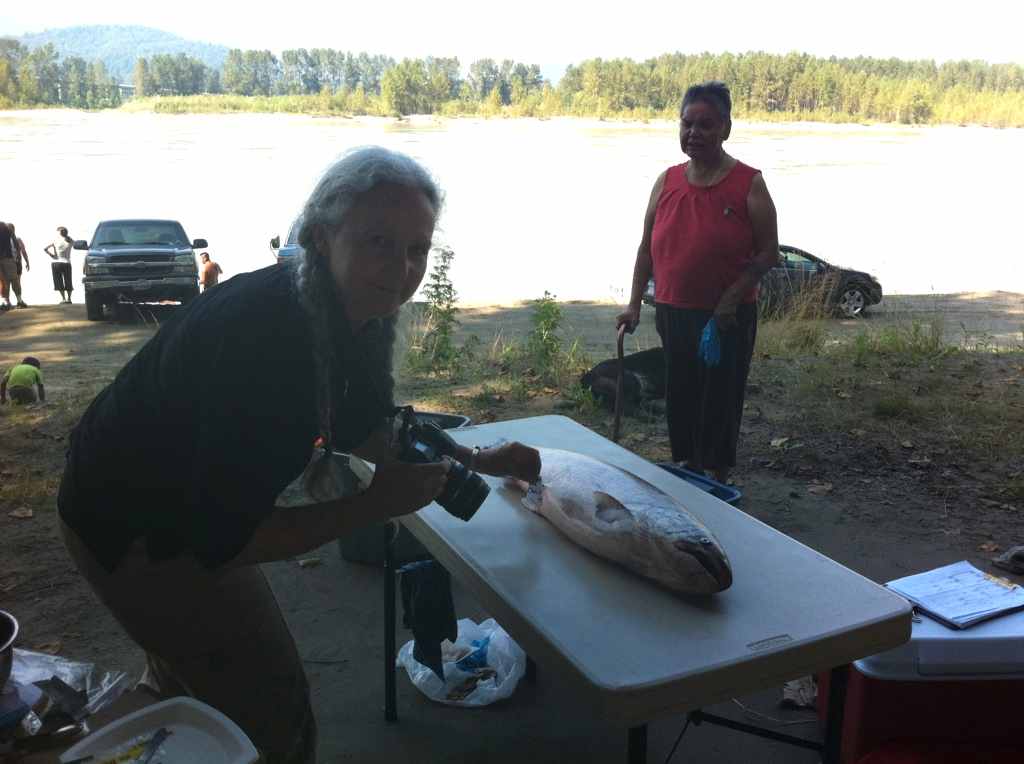
This summer I have been traveling throughout BC with a small dedicated group sampling salmon and other fish to map out where the European farm salmon viruses are showing up.
First Nation, sport and commercial fishermen have been extremely patient, allowing us to measure, weigh, photograph and sample their fish as they work to preserve their catches.
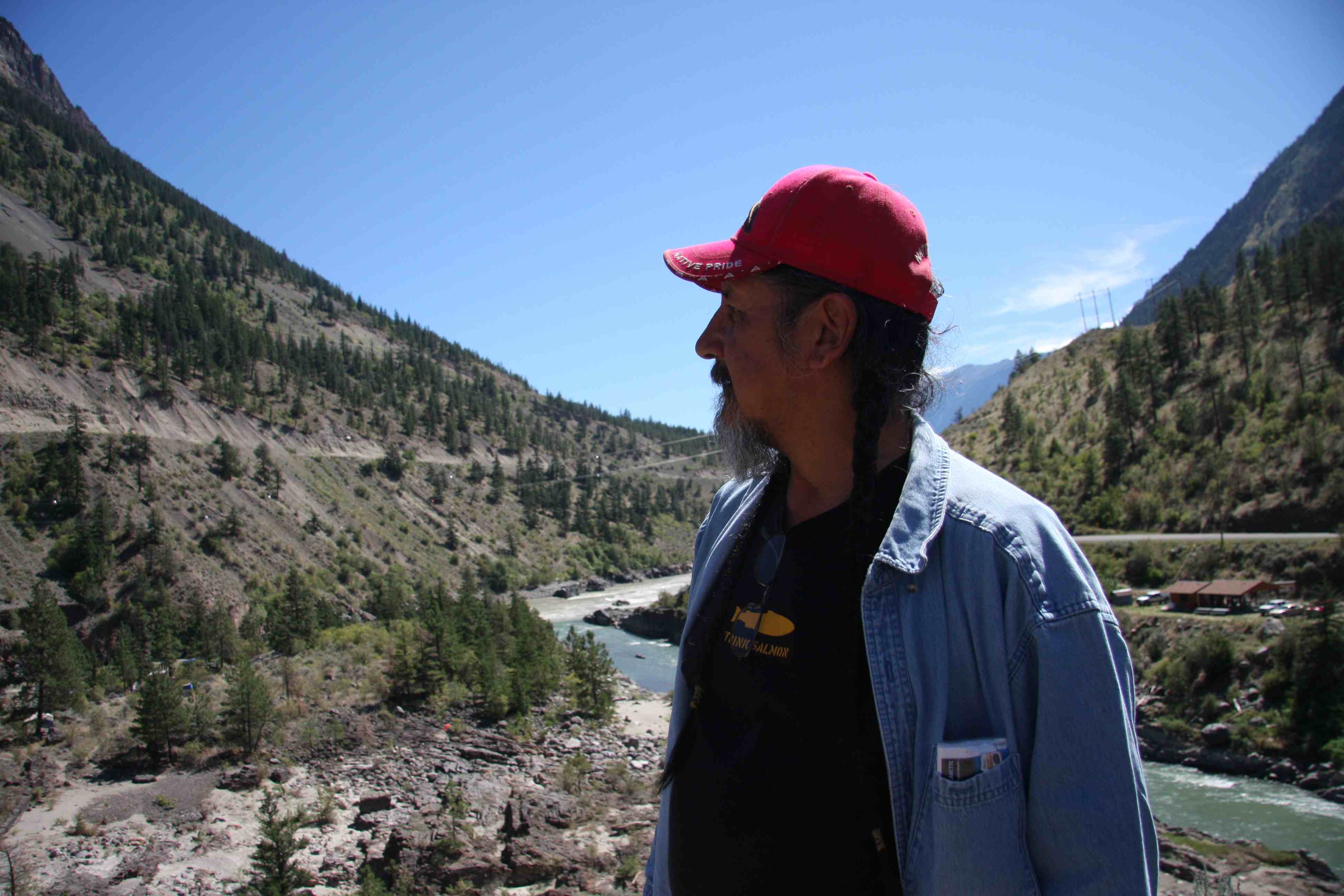
We have been invited into some of the most exclusive and private fishing grounds in BC, places owned by generations of First Nation families. The heat has been blistering and the walks into these places down steep slopes or along very active train tracks, but always we are given generous assistance.

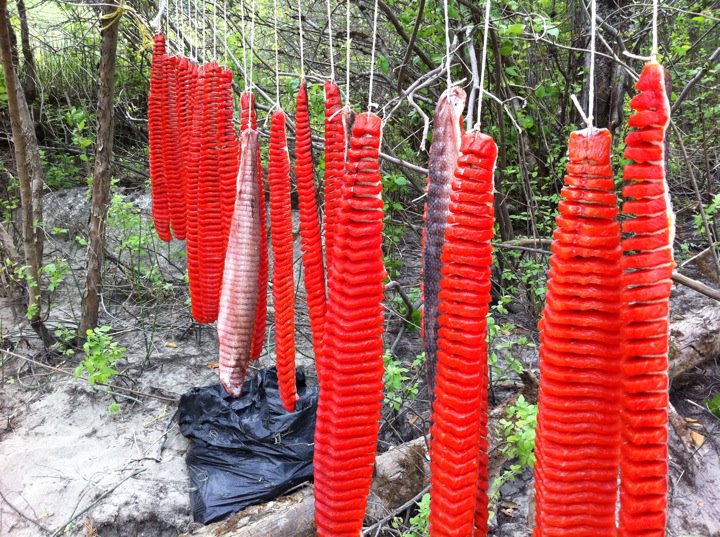
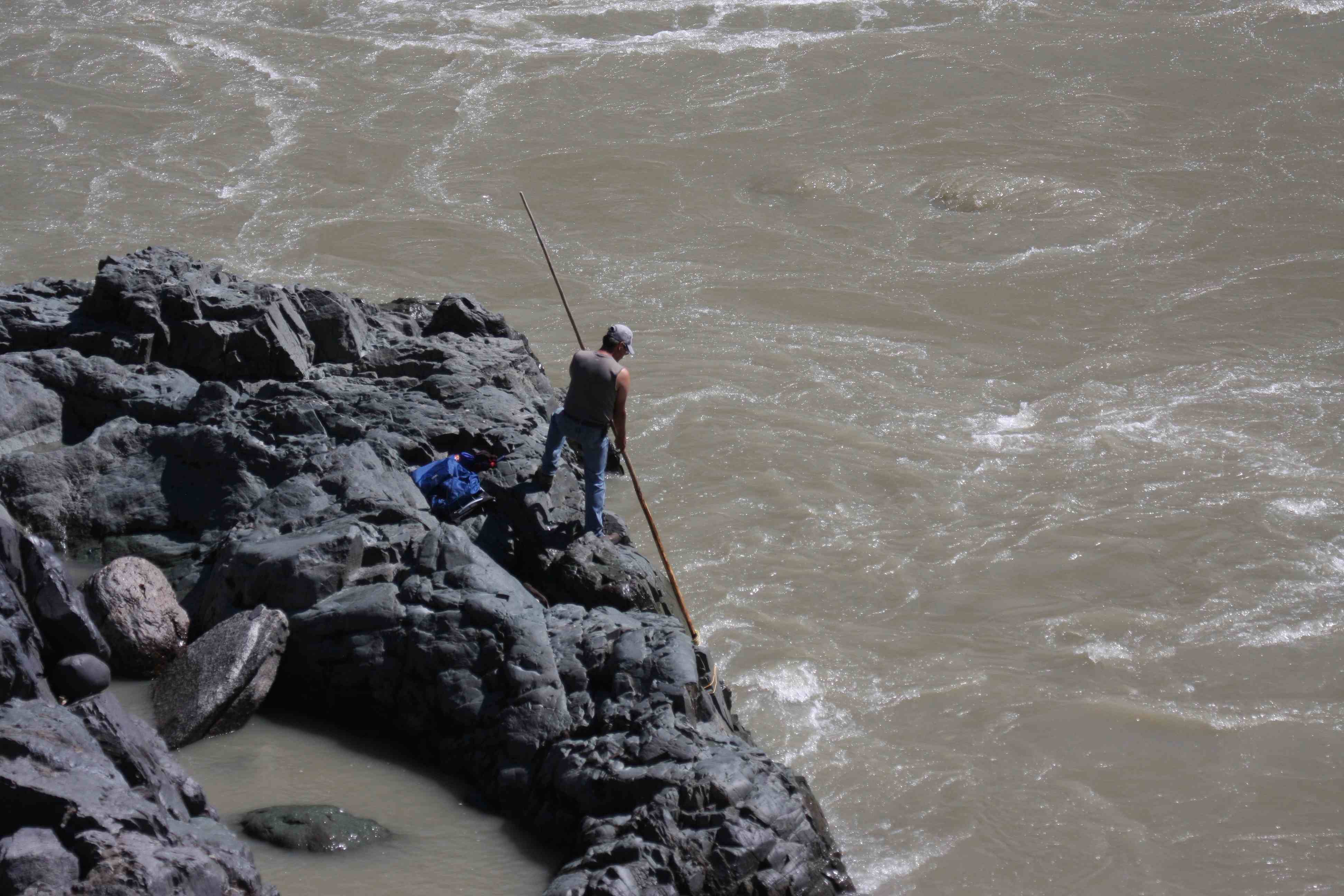
I have spoken with many experts about the salmon.
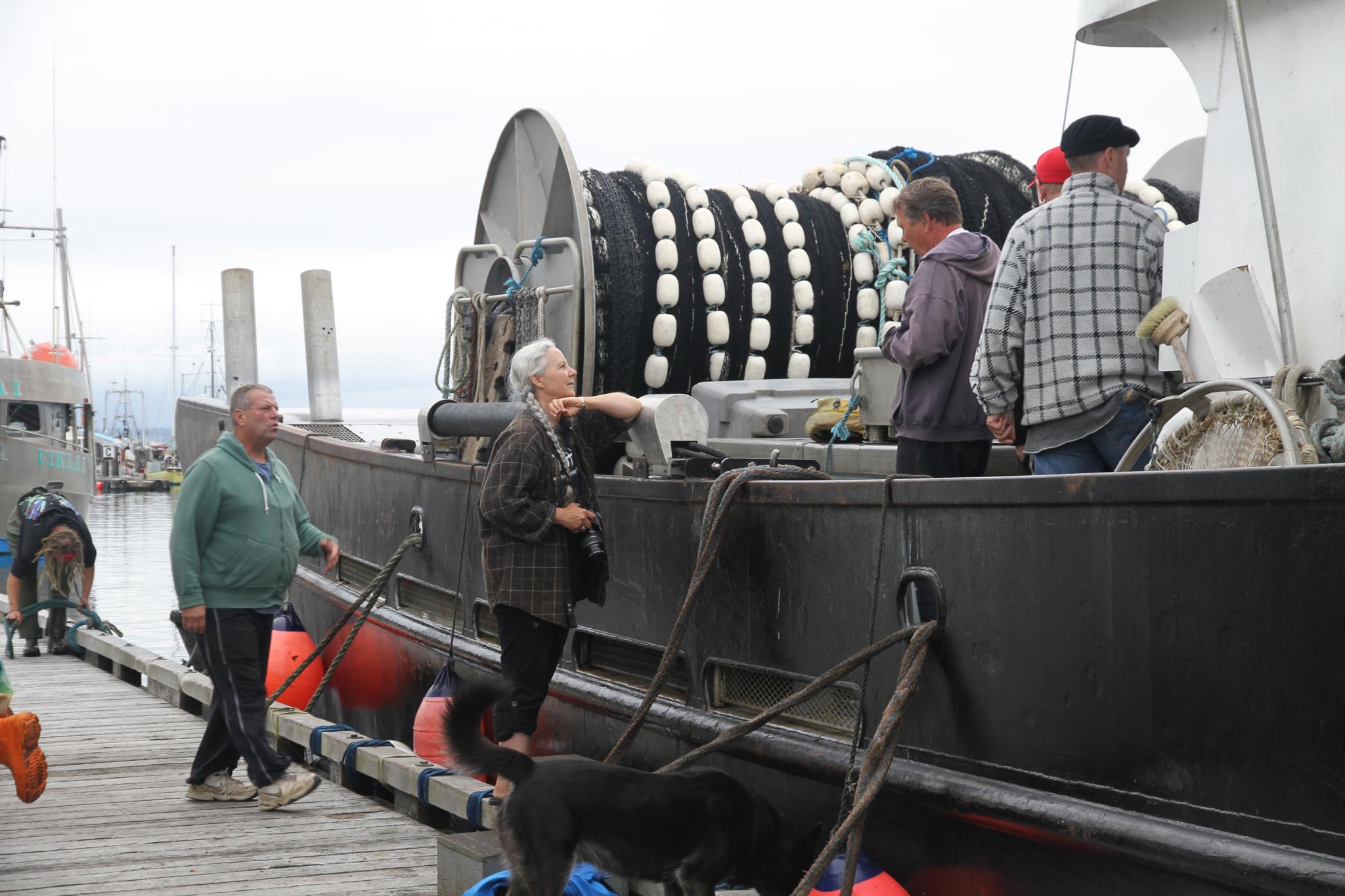
In addition to taking samples, we examine all the organs and note what we see, in hopes of putting together a field guide people can use themselves.
Is the fish yellow, does it have red speckles, are the fins bright red at the base, does the spleen have crisp sharp edges or is it swollen and enlarged.
Each fish has a story and it is fascinating learning the language staring at the organs arranged for a picture.

I have learn first hand of the danger of fishing in the Fraser River, people value salmon so highly they are willing to suffer the risks.
When a TV news program aired footage of dying herring, pilchard and mackerel a team went there. Jody and Farlyn caught this footage of dying mackerel, spinning and drifting up on the beach.
China Beach Mackerel Dying from Alexandra Morton on Vimeo.
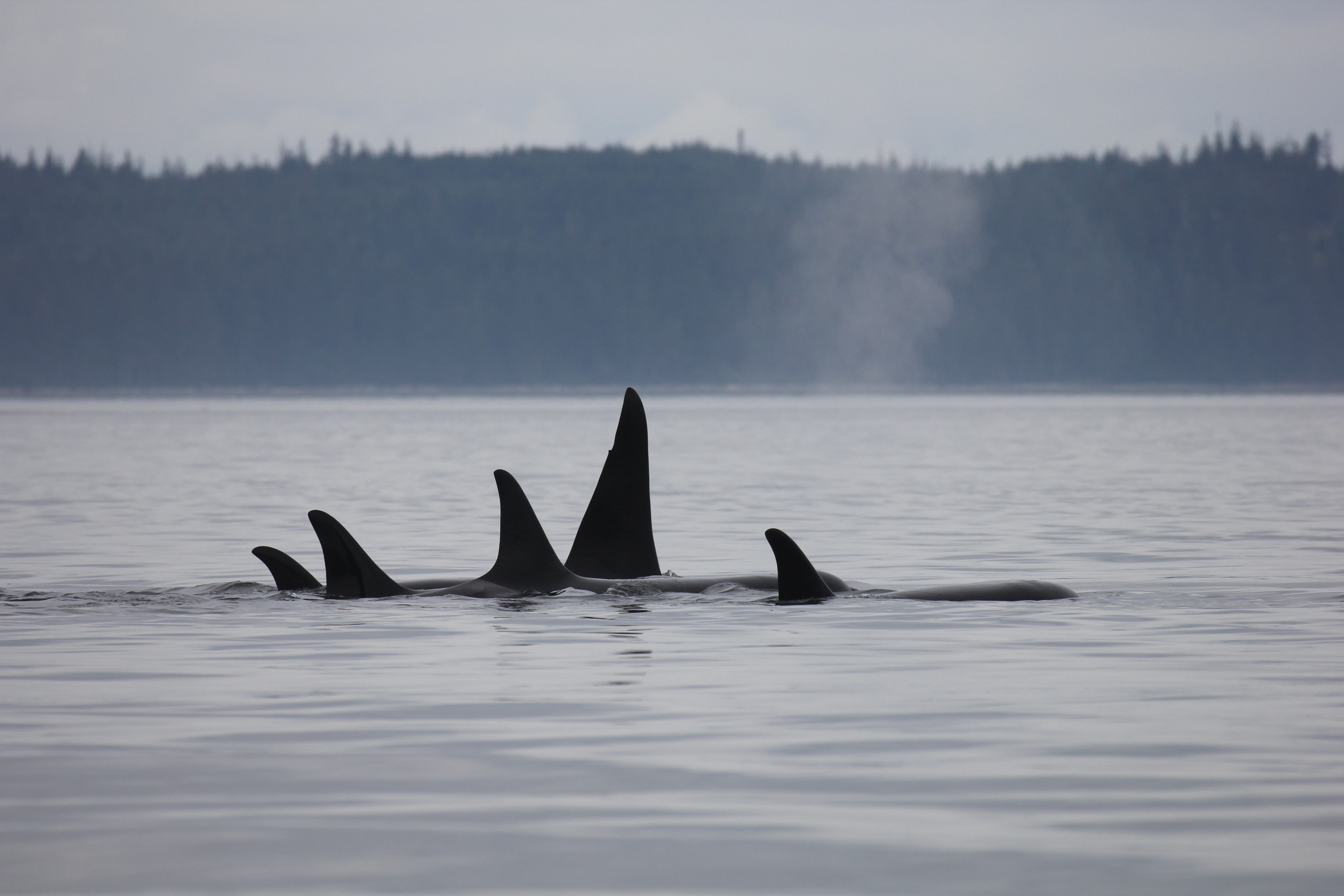
The reason I do this is to protect my home. Blackfish Sound, August 20, 2012.
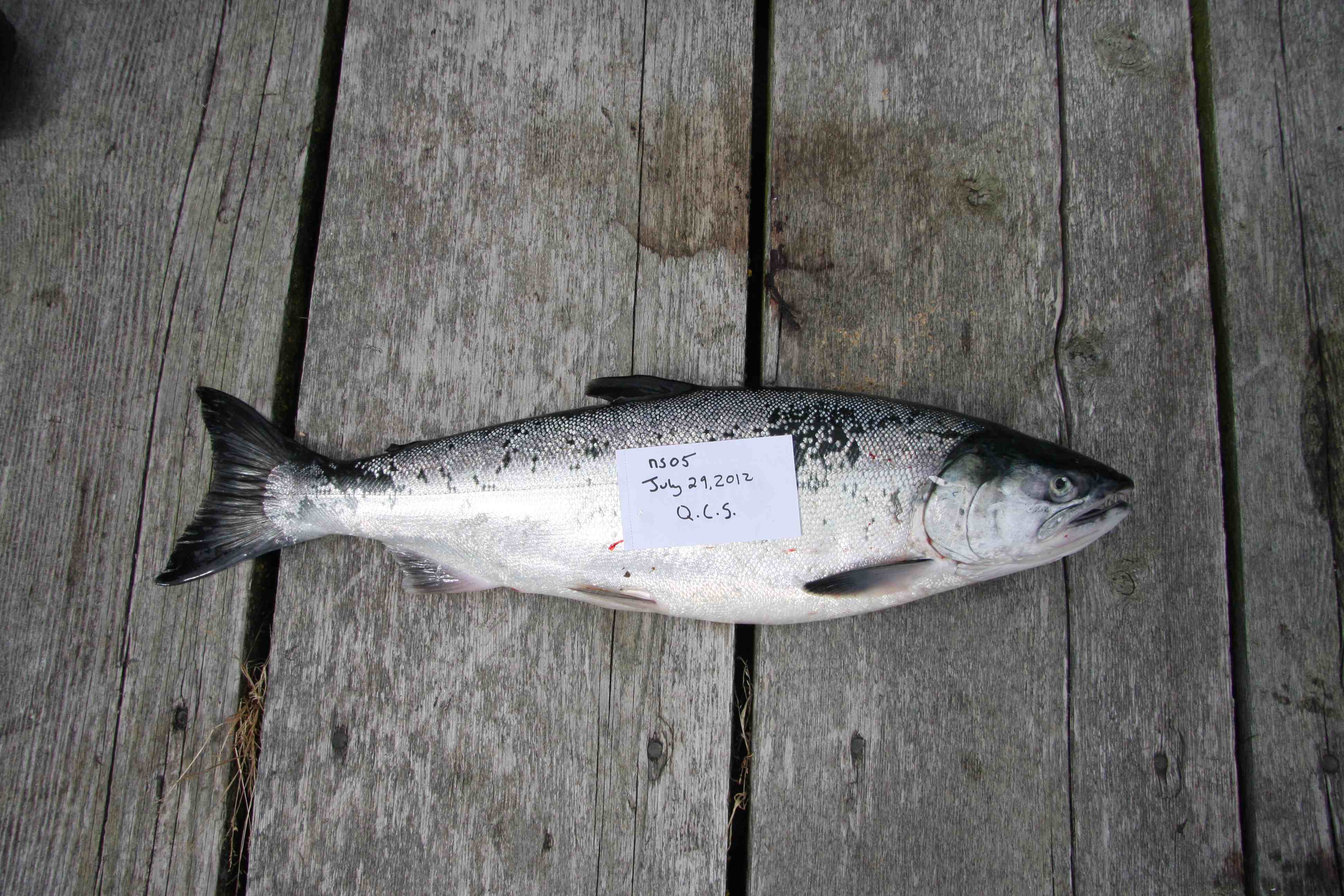
You can email me if you have concerns about the fish near you. I am getting emails weekly about white milky balls in the flesh of the fish, and other things that concern people. We can’t reach everyone, but if you could photograph your fish with the date and location on a small piece of paper in the photo, we can begin to track many things and build teams to respond to the various issues.
We will send you a kit and data sheets if you are in a place we cannot reach.
I have written to DFO about the farm salmon culled near the mouth of the Fraser River for the IHN virus – noted as deadly to juvenile sockeye by scientists during the Cohen Commission into the decline of the Fraser sockeye (Technical Report #1). While they promised an answer by the week of the 13th, there has been none. I have also asked the salmon farmers who “owned” the fish, Norwegian Grieg Seafoods, what strain of IHN virus it was. They blame the wild salmon so this should not be a problem for them to reveal, but they will not say. If I knew I could track it.
I am out the door now to continue this work – thank you all for your help. I feel certain salmon farms are spilling lethal salmon viruses into BC waters and that these viruses are killing BC wild salmon. But I am not just talking about this, I am doing the work to map this out so anyone who wants wild salmon to survive can make up their own minds whether salmon farms must get out of the ocean.
If we want wild salmon it is up to us.
Comments
2 responses to “Virus trackers”
Quote: “I am getting emails weekly about white milky balls in the flesh of the fish, and other things that concern people.”
Is this what they are seeing:
http://fishparasite.fs.a.u-tokyo.ac.jp/Henneguya%20salminicola/Henneguyasalminicola-eng.html
This may be the same parasite you misidentified a few months ago as Kudoa. Henneguya salmincola is a common parasite found in Pacific Salmonids. Although I agree it is not very nice to look at it is not considered harmful to humans. I realize that some people do not want to think it, but salmon can natually have parasites which do not normally kill its host.
I’ve just returned from the Broughton working as a volunteer with this project at the SCFS; an amazing experience and am honoured to be supporting this study to monitor and protect our wild salmon.
“Each fish has a story and it is fascinating learning the language staring at the organs arranged for a picture,” is so well-put. I’ve written a bit about this on my own blog which you are welcome to check out:
http://wheresthemoss.blogspot.ca/
I’m looking forwards to seeing the health results of the 50-or-so fish that I helped examine and sample and am on-call to give my time to keeping this project going.
Thank you and keep strong! You’re an inspiration!