Dear Fin Donnelly – west coast Fisheries Critic
I still have not heard from the Ministry of Agriculture and Lands how the Download F…BCSFA_GRAPHS_ATL_2.4_2009[1] posted on the MAL website does not suggest sea lice in the area of Nootka Island are drug resistant. Treatment with Slice in October should have brought these lice numbers to near zero for a period of weeks. Not only did lice levels not drop low enough, they did not remain low.
While MAL has not answered my question for 5 weeks, Trevor Swerdfager, Director General of Aquaculture Management DFO has taken this a step further by telling the Federal Standing Committee on Fisheries and Oceans that in regards to Slice resistance in Nootka area:
“We have absolutely no evidence of that whatsoever in British Columbia. We know that this is one of the latest suggestions that has come forward. We have looked into that situation, which has been profiled frequently on the web. But it’s not just that.” (March 22, 2010).
This statement is indefensible. The MAL graph IS, in and of itself “evidence” of drug resistance and all the more so because MAL will not explain these numbers. We know this graph combines several areas, but Grieg’s own graph of the specific farms near Tahsis is worse – showing an average of over 40 lice per fish, that after treatment dropped only to OVER THREE TIMES THE PROVINCIAL LIMIT. The drug could not even kill enough lice to reach the provincial limit for number of lice and the lice started reproducing immediately post treatment.
Grieg did harvest their fish, but not before this lineage of sea lice spread to the wild juvenile salmon of Tahsis Inlet, 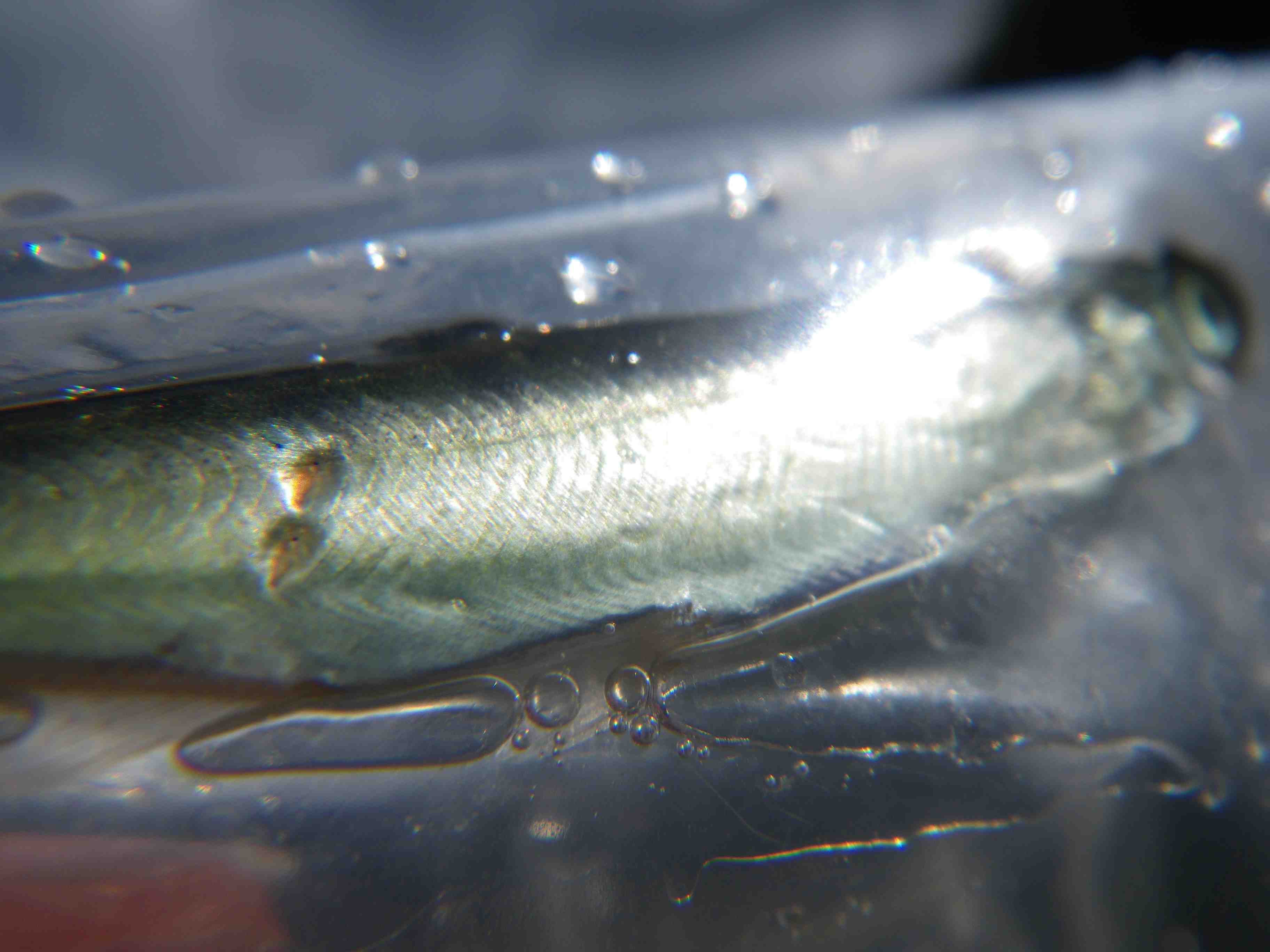
and in the process of harvesting spread these lice to the Discovery Islands ![Walcan outflow pipe WS[1]](https://alexandramortonblog.com/wp-content/uploads/6a0120a56ab882970c0133ec79312c970b.jpg "Walcan outflow pipe WS[1]")
.
To the people reading this email this is exactly how we got into this fish farm mess. The provincial regulation of salmon farms does not deal with the issues in a way that is scientifically defensible or biologically effective. Questions go unanswered and erroneous statements are passed up the chain to the highest levels of government. Mr. Swerdfager’s statements to the Standing Committee suggests this behaviour will continue unabated as regulation transfers to federal jurisdiction.
The provincial government of British Columbia has to answer why, after application of Slice, did the average number of sea lice per fish in the Grieg salmon farms, Esperanza and Steamer, not drop to the allowed limit for sea lice in British Columbia? This has now reached the National level and these lice are traveling to sea in the wild salmon of Tahsis Inlet. Please note in the transcript below Mr. Swerdfager also suggests DFO does not acknowledge drug resistance in eastern Canada, even though the fish farm industry itself does and is getting new drugs specifically to deal with drug resistance! This suggests it is DFO policy to make this problem go away simply by denying it.
All of this is very disturbing and symptomatic of government covering for an industry that is associated with wild salmon population declines around in the world (Download Ford and Meyers). This type of irresponsible management is the reason First Nations, towns, scientists, business people and environmental organizations are all uniting in calling for removal of net pen salmon farms away from our wild salmon.
Mr. Donnelly, I can see no reason to continue asking MAL to answer questions they are stalling on. This lineage of lice is still alive and thriving on the wild salmon in the area and these specific lice should be tested today for drug resistance with participation from the salmon enhancement community of Gold River and the First Nations of the area so that we can all be sure this is being done properly. This is easy and possible and the only responsibly way to deal with this. It is only a short – window of opportunity and there are people who can easily collect these lice on hand.
Alexandra Morton