On August 13, 2009, the Globe and Mail announced that 9 -11 million Fraser River sockeye failed to return from the sea. In 2005, 9 million parents of this generation spawned in the Fraser River system. Government scientists estimated that 130 million young salmon hatched, grew in the river and headed to sea in 2007. They noted these juveniles were bigger than ever recorded before. River survival was reported to be very high. This bode well for the returns expected this year, but then something went very wrong.
In 2005 I became curious about sea lice levels on young wild salmon passing through the dense cluster of salmon farms off Campbell River, on the migration route of the Fraser River sockeye (see MAP). With the help of a commercial fisherman and other scientists we began a study in 2005. Similar to what we do in the Broughton Archipelago we examined how many sea lice were attached to young wild salmon before and after they encountered salmon farms. We published a paper reporting high levels of sea lice on pink, chum and sockeye salmon as well as herring associated with the Campbell River salmon farms (Morton et al 2008).
Sea lice are simple to study because they change their body shape every few days
for the first month.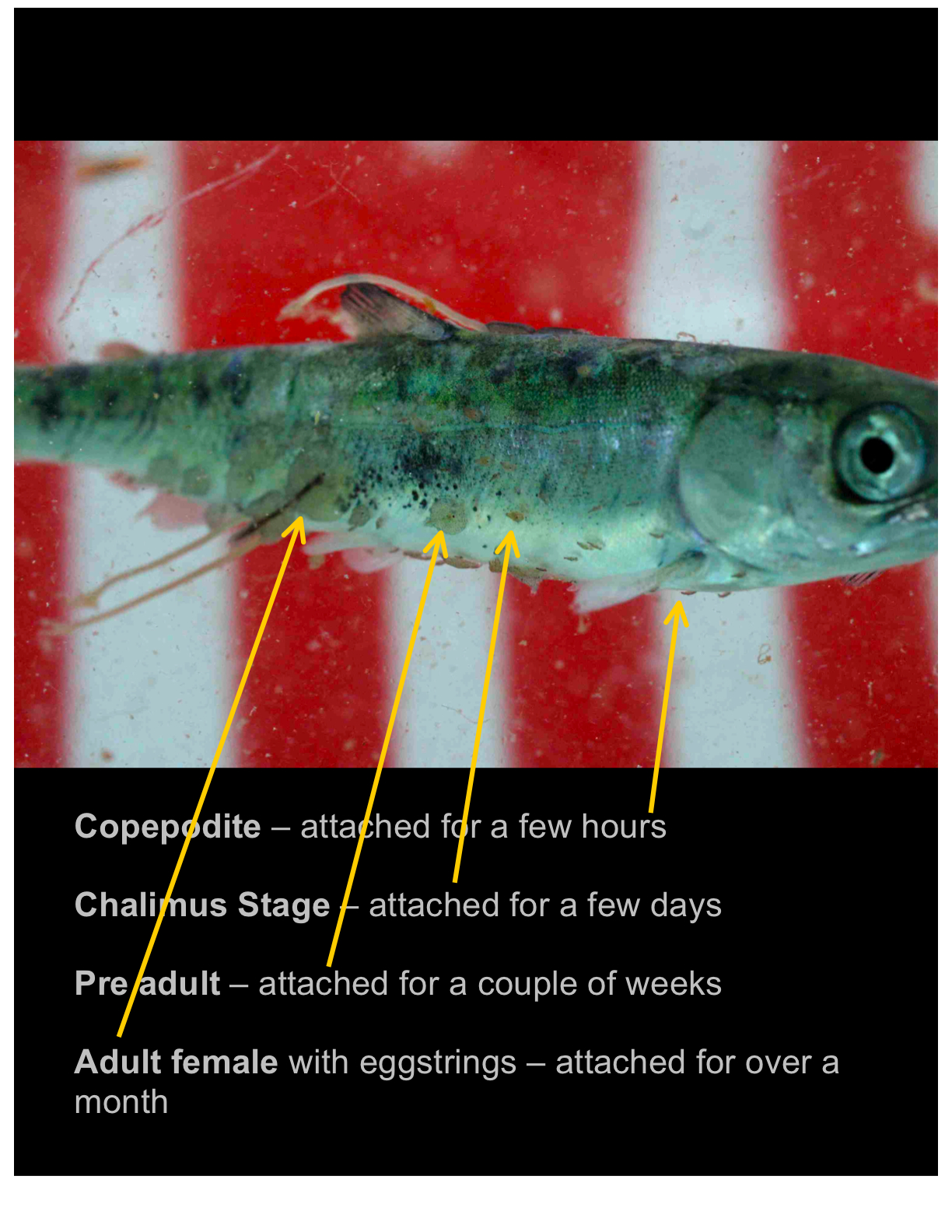 So we know if a louse has been on a fish for a matter of hours, days or weeks. The chum salmon in this picture has been repeatedly infected as it swam to sea past the fish farms. This is very typical of farm-origin infections.
In 2007, when this year's generation of sockeye went to sea we found young sea lice began to attach on them as they passed the fish farms. The pattern is consistent. If a generation of young salmon is infected with sea lice at the fish farms, they never come home. Yes, sea lice are natural, but not in the numbers and the locations where the millions of farm salmon now incubate lice. Look at this year. In July, the salmon farm at Cyrus Rocks off Campbell River counted 16.53 Caligus sea lice per farm salmon x 507,792 farm salmon = 8 million sea lice producing billions of larvae daily, just as this year's juvenile Fraser sockeye were going north by the farms. We know this species of louse infects sockeye.
While sea lice are simple to study, no one can say for certain what happened to the sockeye but disturbingly, 2 days after the collapse of the largest salmon run in the world (our Fraser River sockeye) Fisheries and Oceans Canada's highest ranking employee on the west coast, Mr. Paul Sprout, published a letter in the Globe and Mail that sea lice from fish farms were not the problem. I have asked him what data he has to support this very firmly stated conclusion. Meanwhile, the Minister in charge of Fisheries was in Norway inviting more fish farms into Canada. This does not suggest we are going to get a true analysis of the situation. These salmon were not over-fished because there has been no commercial salmon fishery on them. And while climate change and low ocean productivity cannot be disproved…. many runs of salmon are flooding home in spectacular numbers this year. There is something very significant and specific going on here and if we can just concentrate we can figure this out.
I have been talking to many people who track and understand sockeye much better than I do and if we are going to remedy this we must look at what the fish are telling us.
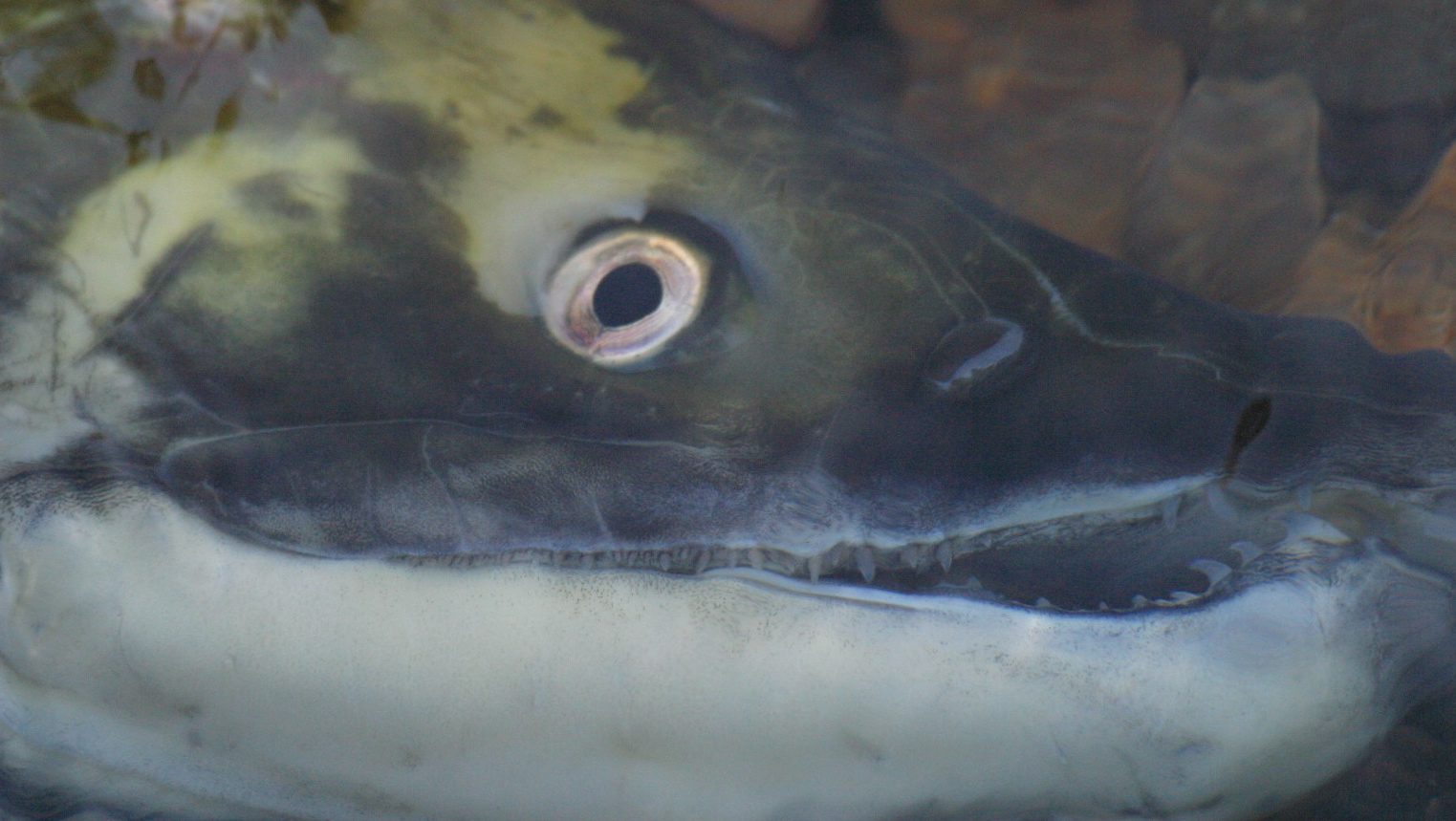
Not all sockeye are in decline this year
Though not a big sockeye river, the Columbia River is experiencing very strong sockeye returns
The Somass River sockeye run on the southwest corner of Vancouver Island is coming in at 2-3 times the DFO forecast
The Harrison sockeye within the Fraser River system have a different life history than the other Fraser sockeye. They leave the river at a younger age, and it is unknown if they migrate north past the fish farms or if they go to sea via Juan de Fuca. They are returning at 2 times the DFO forecast.
The Heydon Creek sockeye run just above the Campbell River cluster of fish farms is doing well.
The Skeena sockeye to the north are not doing well, but are approximately 50% down, not 90% as is the case in the Fraser.
How could pink salmon be doing well if sockeye are failing?
First, the pinks that are returning this fall went to sea in 2008, not in 2007 with this years' sockeye. But second, after nine years of studying this it is my strong impression that our wild salmon runs now succeed or fail based on what the fish farmers are doing. In general, the fish farmers are de-lousing their fish very early in the year to prevent public reaction to the lice infections on young pink salmon. But the drug they use (Slice) only works for 6-8 weeks. This means that the pinks and chums that migrate past the fish farms in March – May have low infection rates, but the sockeye that run past the same fish farms in June are not protected as lice levels start to rise again once the drug wears off. Watch the film on this site by Twyla Roscovich to see what the young sockeye looked like in 2008 around these farms.
I realize it is hard to accept that fish farms killed all the missing Fraser sockeye, but the picture we are getting coast wide certainly points to something very specific. Dr. Brian Riddell of the Pacific Salmon Foundation has been quoted saying he thinks these fish vanished between the river and the open ocean. What about disease? There have been sweeping disease epidemics in salmon farms on this coast (Download IHNV_report_2003) and currently throughout the salmon farmed areas of the world (Global Spread of ISA)
In 2007 we saw Vibrio in the young wild pink salmon near salmon farms in the Broughton Archipelago.
If we want our wild salmon we need to turn every stone in pursuit of understanding what happened to the greatest wild salmon run on earth. The Fraser River sockeye pass through British Columbia's biggest city, Vancouver. They have shown every indication of being able to survive our presence. That they failed so catastrophically is a signal we must decipher if we want them.
It is absolutely essential that we get complete reporting on the health of each of the salmon farms from Campbell River to Bella Bella in 2007. However, the government does not even have this information so there is little chance we will ever know.
More importantly, we need to learn the lessons in front of us. Worldwide and in BC when salmon farms are removed from wild salmon migration routes, wild salmon return. We need to scrutinize Fisheries and Oceans Canada in the coming weeks because we know that they have already failed us by allowing one of earth's greatest food supplies to vanish, the east coast cod and they did it the same way they are handling this collapse. Lack of complete analysis of the science.
Only the public can turn this around. The only thing our wild salmon need from us is the political will to allow them to exist, they can handle the rest.

Comments
2 responses to “10.6 million Fraser sockeye have gone missing. Are salmon farms a factor?”
One root cause is that the DFO has evidently abrogated its responsibilities as a guardian of the public interest and gives a very good impression of only being interested in protecting private property interests.
If the guardian of the public interest has (seemingly) failed, then why would the salmon farm companies do anything other than act in their own short term interests regardless of their much publicised trumpeting of the idea of sustainability.
Regardless of the calibre of the DFO scientists (which is high), if evidence and evidence based policies regarding siting fish farms are totally ignored by the DFO administrative leadership, then the failure of the Fraser River sockeye run is merely the start of a widespread destruction of our wild fisheries in southern B.C.
I often flyfish for salmon around the islands on northern Vancouver Island. Over the years the group of guys I fish with and I have had great fun catching and releasing young sockeye on their way from southern rivers to the open ocean via Georgia and Johnstone Straits.
In 2007, there were very few sockeye compared to previous years. Ask anyone living in Bauza Cove, Port McNeill, Alert Bay, etc., who fishes and they will tell you the same thing. If over 100,000,000 sockeye came out of the Fraser that year from the 2005 hatch, they sure didn’t make it to the upper Island…
Obviously this is not “scientific” proof that something happened to the young sockeye before they got to the ocean, but based on previous history it seems to me a good indicator that something interrupted their journey.